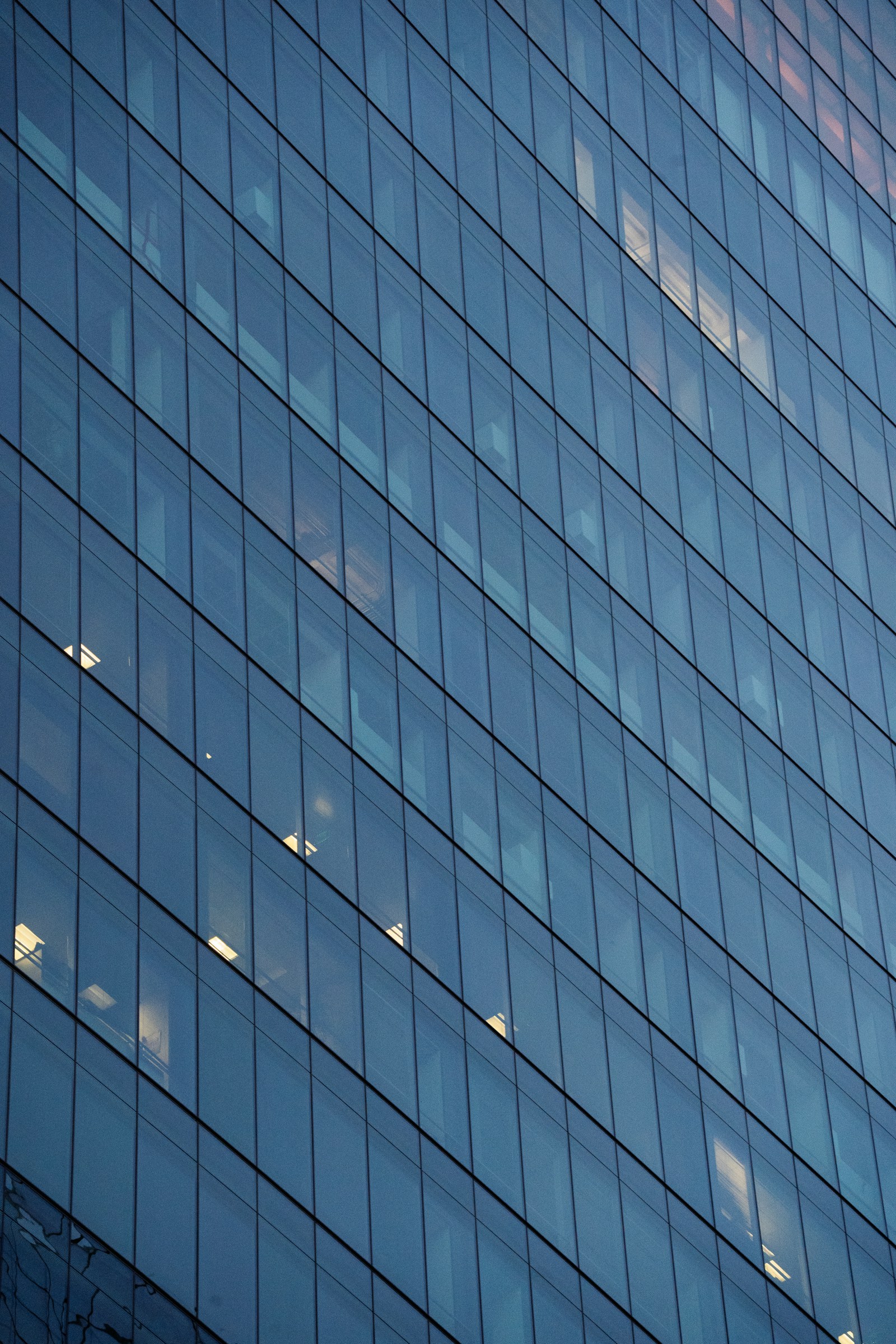
Start with exposure on each elevation
Coastal proximity matters, but it is not a complete schedule. Federal Highway Administration guidance describes how salt-laden air from Atlantic and Gulf coastal areas can travel inland, with concentration affected by wind direction, shoreline distance, topography, and local conditions. For glass maintenance, that means a Biscayne Bay-facing elevation, an oceanfront Miami Beach facade, and a sheltered wall several miles inland should not automatically receive the same interval. Salt film can also combine with ordinary dust, rain spotting, traffic residue, and runoff from adjacent materials, changing how quickly the glass looks dull.
Orientation and architecture can be just as important as location. Deep overhangs may protect some panes while trapping residue on others. Ledges can release dirty runoff after rain. Balcony slabs, metal caps, sealants, screens, fins, and facade joints can create streaks that a broad rinse will not fully resolve. Landscaping and irrigation may introduce pollen, organic debris, or mineral spotting at lower levels. Nearby construction can create a temporary cleaning need that should not become the permanent baseline. Walk the property after dry weather and after a typical rain, photograph each elevation from repeatable viewpoints, and note which conditions return first.
- Separate ocean- or bay-facing glass from protected and inland-facing elevations.
- Track ledge runoff, irrigation, landscaping, traffic, and neighboring construction.
- Record whether the visible issue is loose film, bonded deposit, residue, or material failure.
- Use repeatable photos so frequency decisions follow evidence rather than memory.
Match frequency to how the property earns trust
The most visible glass often deserves the shortest interval. Hotel lobby doors, restaurant glazing, leasing offices, medical entrances, retail storefronts, and condominium arrival areas are judged from a few feet away and touched throughout the day. Their cleaning schedule may be driven by fingerprints, splashes, and guest expectations rather than coastal film. Upper office glass is usually viewed from greater distance, but a broad haze or uneven streaking can still affect a tower's presentation from the street and the view from occupied suites.
Miami's districts produce different operating priorities. Brickell and Downtown properties may favor tightly planned work around office arrivals, residential traffic, deliveries, and active sidewalks. Wynwood storefronts and mixed-use facades can require care around art finishes, signs, patios, and neighboring businesses. Coconut Grove hospitality and retail properties may face vegetation, courtyards, and event calendars. Miami Beach hotels add ocean exposure, balconies, pool activity, and a continuous guest experience. The frequency should reflect the business consequence of visible soil while still leaving enough access, budget, and time to perform the selected method correctly.
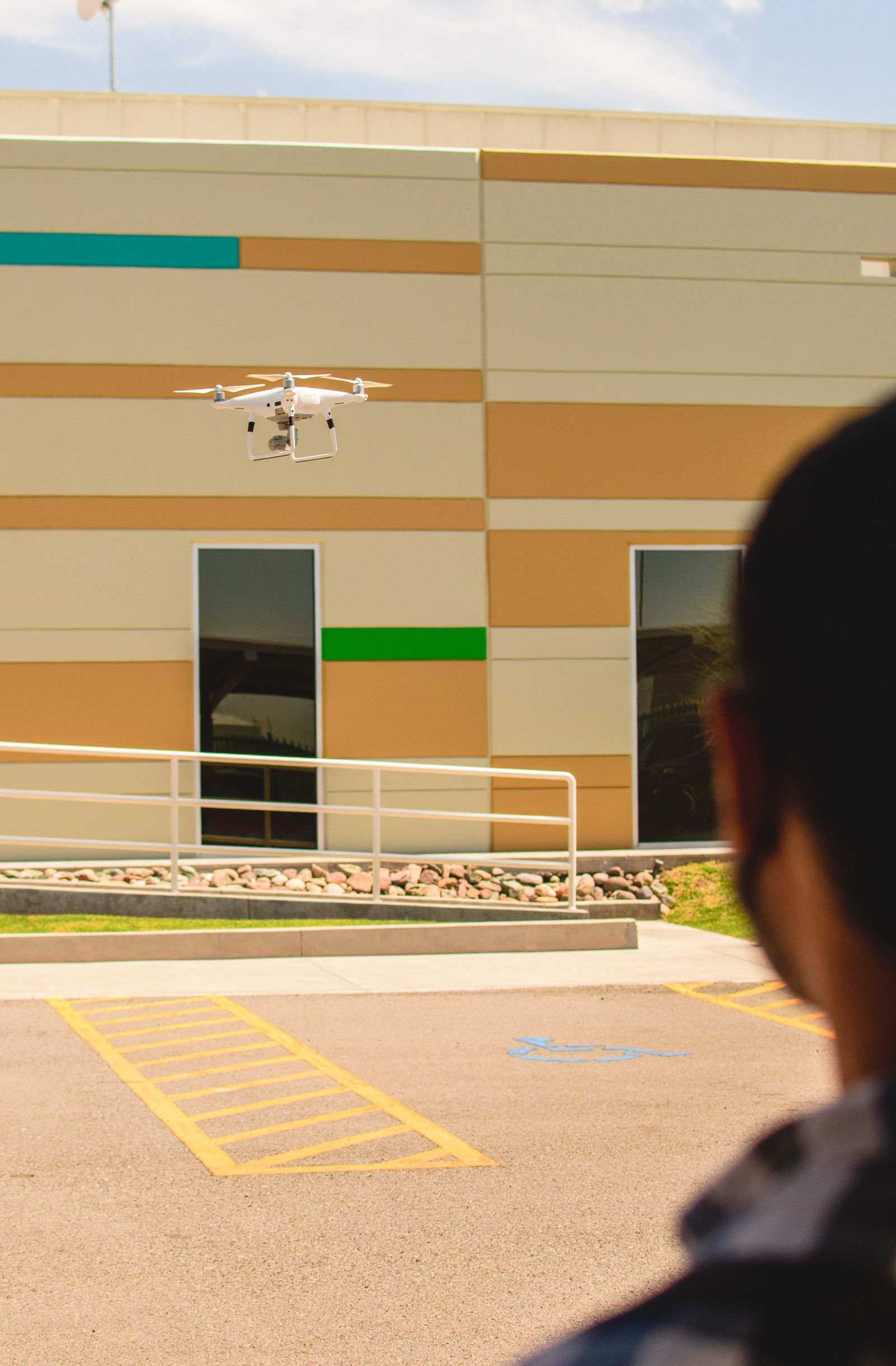
Separate an upper-glass rinse from contact window cleaning
A maintenance rinse and a detailed window cleaning solve different problems. Drone-assisted application can wet and rinse suitable upper glass where the site provides safe flight conditions, clear stand-off distance, controllable drift, adequate water, and a protected ground area. Purified water may reduce mineral spotting from the rinse source, but it does not make bonded contamination disappear. The result should be evaluated after drying on a representative area before a broad frequency is approved.
Contact cleaning is the honest choice when the desired finish requires agitation, squeegeeing, edge detail, scraping, pad work, or treatment of mineral deposits. Post-construction debris, silicone, paint, concrete residue, oxidation, and scratched or etched glass need assessment beyond routine maintenance. Frames and sealants can also release residue during rinsing. A good schedule can place remote rinses between periodic contact cleanings, reserve lifts or other access for problem elevations, and keep restoration separate. Comparing those outcomes prevents a lower-cost rinse from being purchased against an expectation it cannot meet.
- Define the viewing distance and finish expected for every service zone.
- Test the proposed water and method on representative glass before setting a recurring interval.
- Identify deposits that require contact cleaning or specialty restoration.
- Keep damaged glass, failed seals, leaks, and facade repair outside the cleaning scope.
Use a layered cadence instead of one building-wide number
A practical starting framework divides the property into presentation, maintenance, and restoration zones. Presentation glass includes doors, lobby walls, storefronts, restaurants, and other close-view areas that may need frequent direct cleaning by onsite staff or a window-cleaning provider. Maintenance zones include broad upper panes and window bands where periodic rinsing or scheduled contact cleaning preserves an acceptable view. Restoration zones contain mineral deposits, construction residue, oxidized runoff, or other bonded conditions that require testing and a separate project before they can return to routine care.
Property teams can review high-visibility areas monthly or as operations require, inspect upper elevations each quarter, and use those observations to trigger service rather than assuming every inspection requires cleaning. Some buildings may support a semiannual upper rinse; others may need more frequent attention on one exposed face and less on another. A hotel preparing for a major event may add a targeted visit, while nearby construction could temporarily shorten the interval. These examples are planning options, not universal prescriptions. The first cycle should be adjusted after the team sees how quickly each treated elevation loses the agreed appearance.
Schedule around South Florida weather and the drying result
The National Weather Service maintains South Florida climate records and 1991-2020 normals for Miami, reflecting a climate where rain, heat, humidity, thunderstorms, and seasonal weather patterns are normal planning inputs. Rain does not automatically clean glass, and a forecast shower does not automatically make professional cleaning pointless. Wind-driven rain can deposit material unevenly, while dirty ledges may create new streaks. At the same time, active rain, lightning, gusts, or poor drying conditions can make the proposed operation unsafe or make the finish difficult to judge.
A recurring program should include weather triggers and rescheduling rules rather than forcing the crew to meet a calendar date. Conditions at upper elevations and around towers can differ from a general ground forecast. Strong sun can dry droplets quickly on one face while another remains shaded. Wind can move mist toward balconies, vehicles, outdoor dining, air intakes, or neighboring property. The field lead needs authority to reduce the work zone, change sequence, switch methods, or stop. A consistent maintenance record should note those changes so a weather delay is not mistaken for an omitted elevation.
Make access, airspace, and runoff part of the frequency decision
A schedule that ignores mobilization can become expensive or impractical. Tall buildings in Brickell may have constrained staging and continuous public activity. Airport-area properties may sit in controlled airspace where a commercial drone operation requires FAA authorization. The FAA's Part 107 process treats airspace authorization as an operation-specific responsibility; property approval does not replace it. Balconies, roof overhangs, neighboring towers, utility lines, and blocked sight lines can also remove remote access from consideration. If an elevation needs a lift, suspended access, pole work, or hand detail, its cadence should reflect that method's setup and operating constraints.
Water management matters every time service repeats. The team needs an approved source, an intentional hose route, protection around doors and pedestrian paths, and a plan for runoff near drains, landscaping, pavement, and sensitive areas. EPA stormwater guidance explains that water moving across roofs, streets, and other hard surfaces can enter storm drains or water bodies without soil or treatment systems filtering pollutants. Actual controls depend on the address, products, soil load, drainage, and current local requirements. A recurring quote should preserve those site facts instead of rebuilding the plan from assumptions at every visit.
Measure the result and revise the schedule
The first service is the best opportunity to replace a guessed interval with evidence. Photograph representative panes before work, record the water method and zones completed, and review the glass after it dries. Note which marks were removed, which remained, and whether remaining conditions appear to need contact work or specialist evaluation. Photos should identify the elevation and viewing position. A close image of one clean pane is less useful than a repeatable record showing how a full facade reads from the guest entrance, sidewalk, parking approach, or occupied interior.
Review the same points after several weeks or months. If the east elevation loses clarity much faster than the west, split the schedule. If entrance glass drives complaints while upper panes remain acceptable, move budget toward direct-detail service. If a rinse repeatedly leaves bonded deposits, stop repeating an unsuitable method and obtain a contact-cleaning or restoration assessment. Cleaning cannot diagnose leaks, certify facade condition, or repair glazing systems. Visible cracks, loose components, failed sealants, persistent water entry, or coating failure should be routed to the appropriate building professional.
Request a Miami glass-maintenance quote with useful details
A quote becomes more accurate when the property defines both the problem and the acceptance standard. Send the address, building height, current exterior photos, priority elevations, glass and frame information if known, previous cleaning method, water access, preferred work windows, and the way the glass is judged. A hotel may prioritize guest-room views and the arrival facade. An office owner may care about exterior presentation and tenant views. A retailer may need frequent close-detail work at grade plus occasional upper-band service.
Drone Building Cleaners will review whether drone-assisted rinsing is a reasonable part of the solution and identify information still needed for access, airspace, runoff, or material compatibility. The recommended scope may be a targeted rinse, phased elevations, a hybrid of remote and contact methods, or referral of restoration conditions before maintenance begins. Request a quote when you want a commercial window cleaning frequency for Miami that is tied to exposure, property operations, and the finish your customers actually see.